
Media Minds Academy

MEDIA MINDS ACADEMY
Project “Media Minds Academy” is a project conducted by “ruSTEM” association supported by US Embassy in Belgrade.
Our initiative aims to enhance cyber security knowledge, improve digital and media literacy, and promote safe online behavior among vulnerable groups in rural areas. To achieve that we have planned following activities:
- We provided training for educators from rural areas, inviting approximately 20 teachers to participate in a two-day intensive training session. The training will focus on developing the teachers' understanding of cybersecurity principles, digital and media literacy, and safe online practices. Educators will develop educational materials in the form of lesson plans that could be used by other educators, ensuring the knowledge gained is disseminated widely across rural schools.
- We created a series of educational videos designed to teach children how to behave safely in cyberspace. These videos are presented in the form of online etiquette guidelines. We produced ten short videos.
- At the end of the project, a workshop was conducted for parents and students to present the results of the project and to enhance their preparedness and response to internet-related situations. The workshop provided practical knowledge and strategies for dealing with media and digital literacy, and cybersecurity threats, and fostering a sustainable media and digital culture.
Rural areas in Serbia often face significant disparities in access to digital education and resources compared to urban centers. Many rural schools lack the infrastructure, trained personnel, and educational materials necessary for effective cyber security education. Our project specifically targets rural educators, providing them with intensive training and resources to bridge this gap. By focusing on underserved regions, we address the urgent need to equip these communities with the skills and knowledge necessary to navigate and protect themselves in the digital world. The project aims to enhance media literacy, digital literacy, cyber security knowledge and promoting safe online behavior to vulnerable groups and rural areas. Also, we will work on developing educational materials and encouraging local educational community to be more involved in the raising need of media literacy, digital literacy and cyber security competencies not only in rural, but in all regions in Serbia.
The project’s overall goal is to enhance media literacy, digital literacy, and cyber-security knowledge among vulnerable groups, particularly in rural areas of Serbia, where access to such education is often limited. The project aims to empower educators in small rural communities to better navigate the digital world and critically engage with media content. A key objective of the project is to develop comprehensive educational materials, such as lesson plans and videos, that will cover essential topics such as how to evaluate the credibility of media sources, recognize and combat fake news, and understand the importance of privacy and cyber security in daily online interactions. The project addresses the gaps in current educational content, particularly for those in marginalized areas who may be more vulnerable to misinformation and cyber threats.
In the long term, the project seeks to create a safer and more informed digital environment across Serbia, where vulnerable populations are equipped with the knowledge and skills needed to engage responsibly and safely online. By raising awareness and building capacity in these areas, the project contributes to a more resilient and digitally competent society.
TRAINING
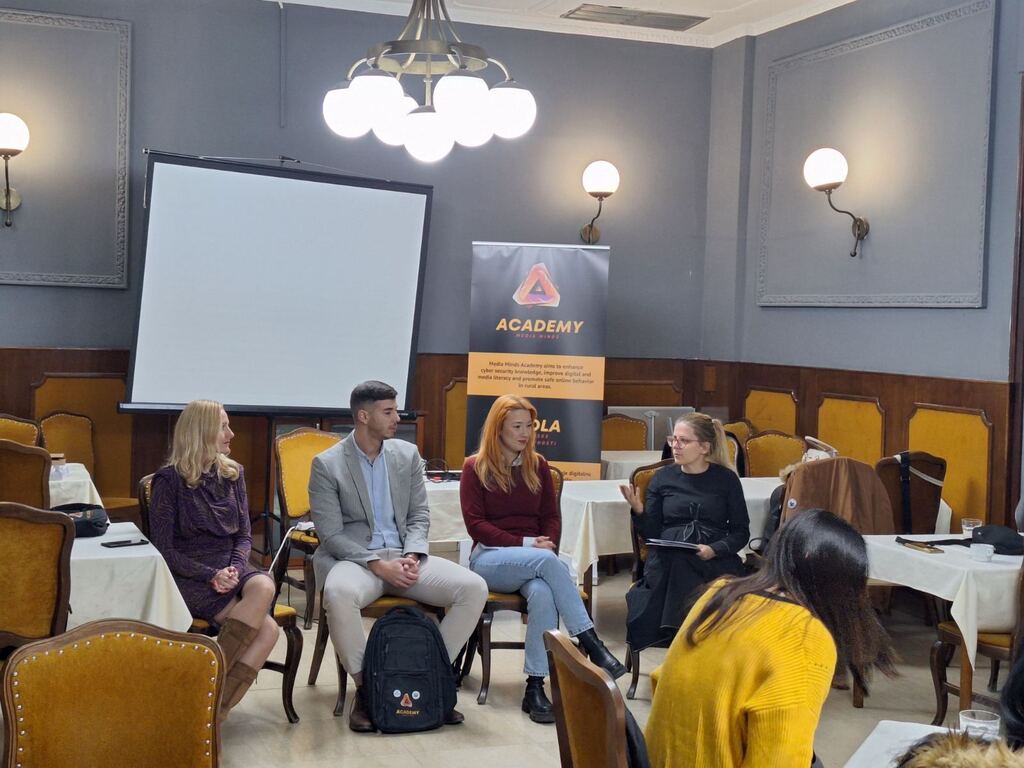
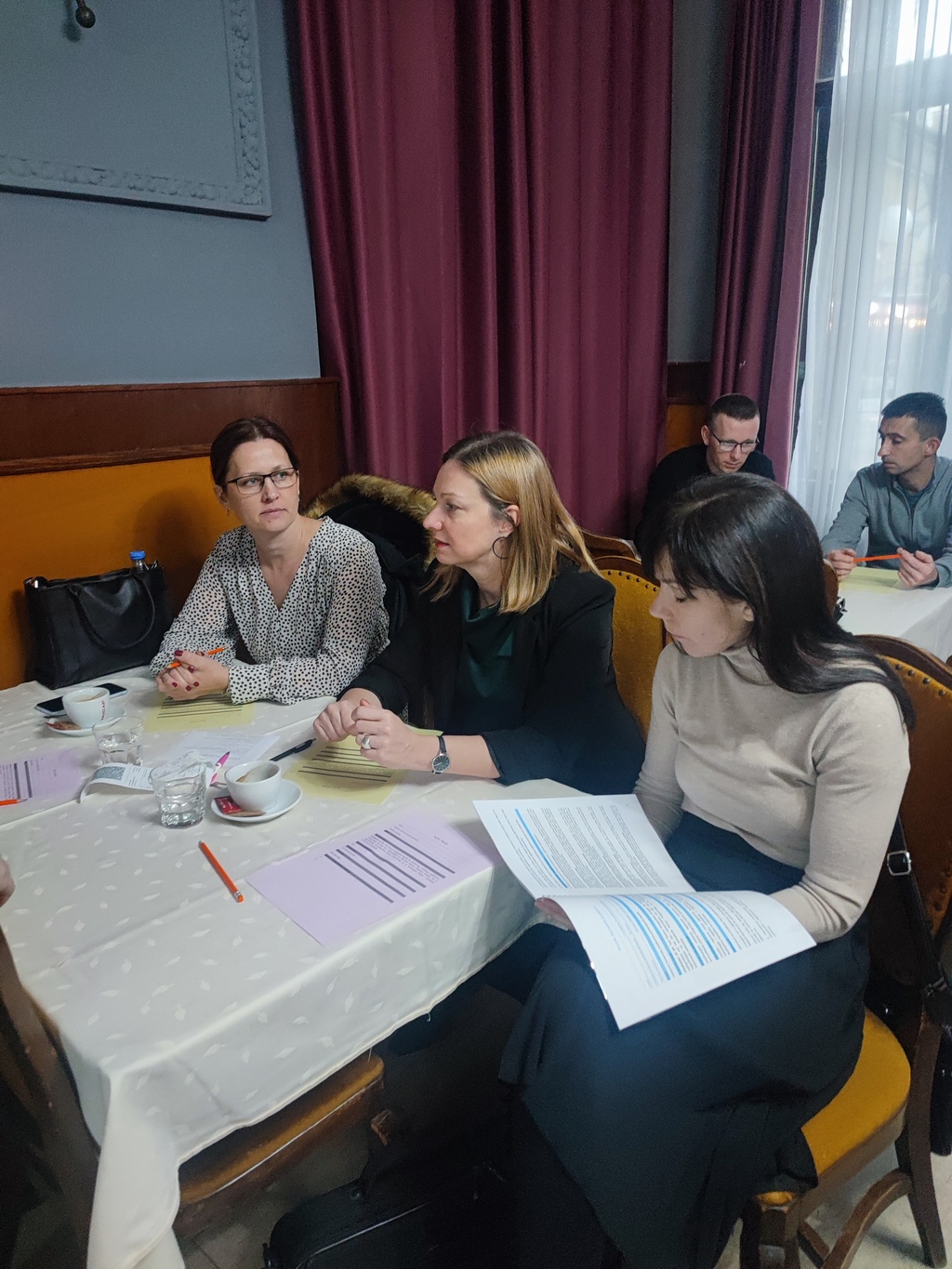
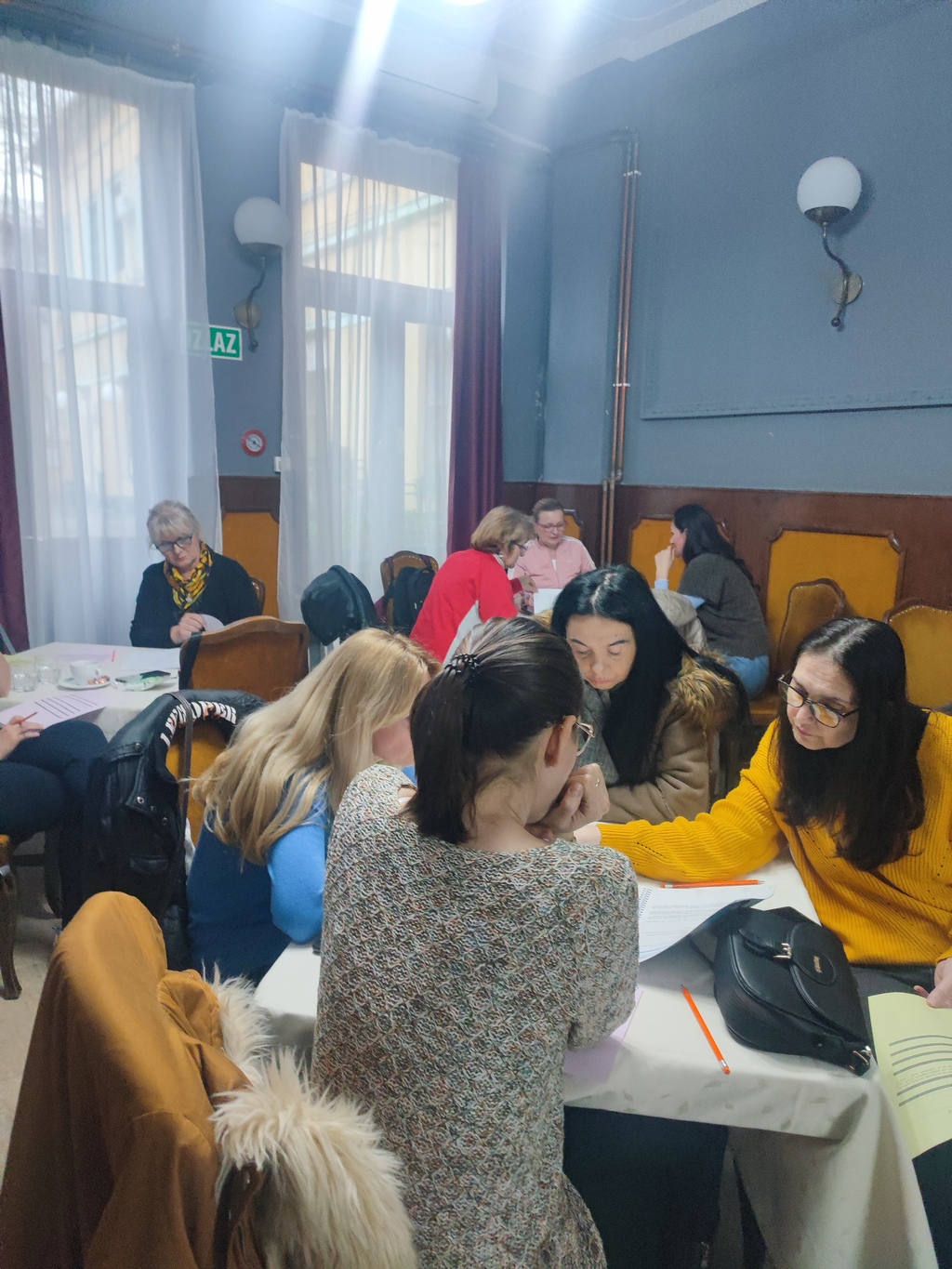
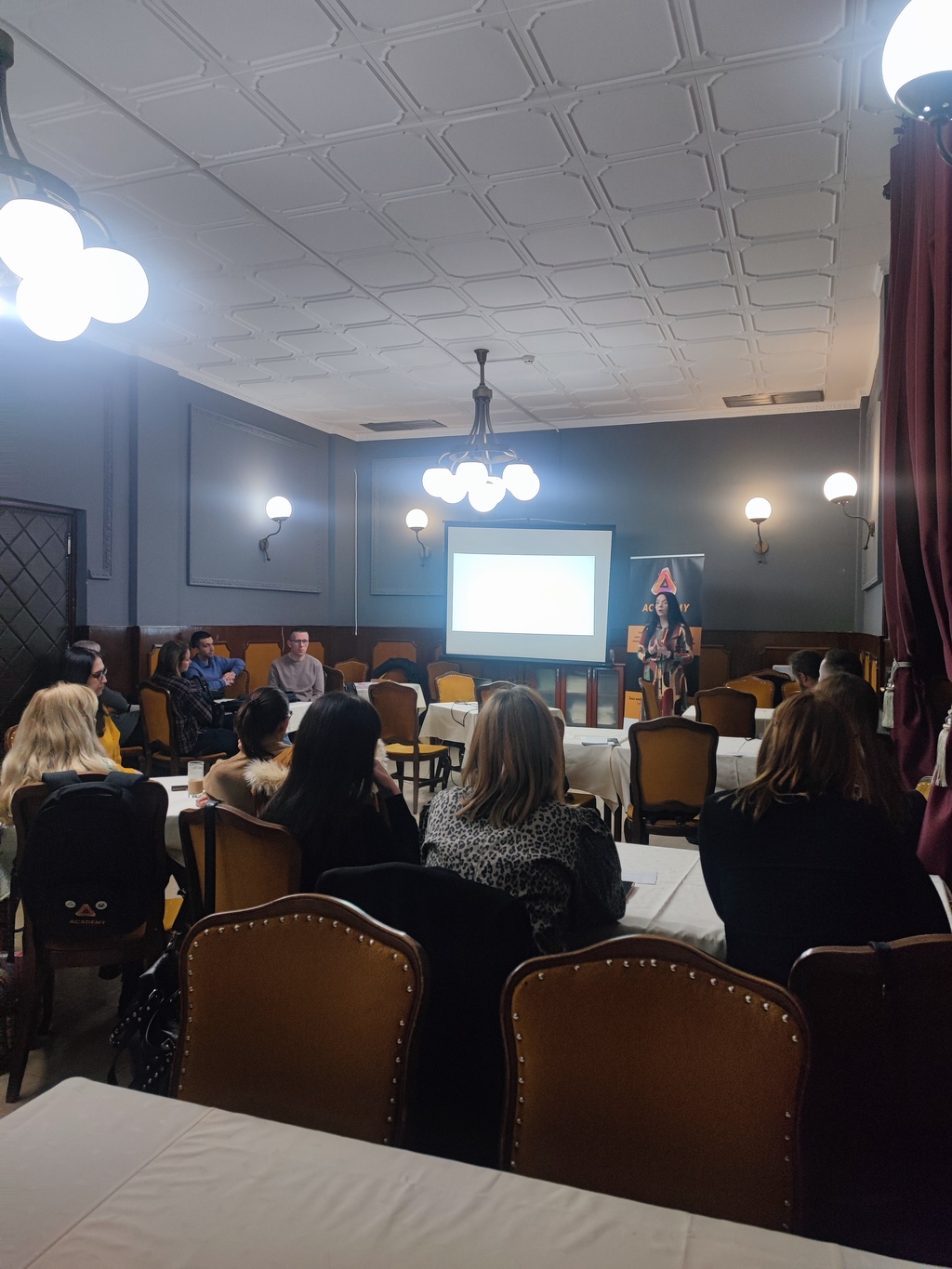
We have organized two days training for 20 educators from rural areas. The training was held in Hotel “Vojvodina” in the Novi Sad in city center. We organized accommodation and transportation for teachers.
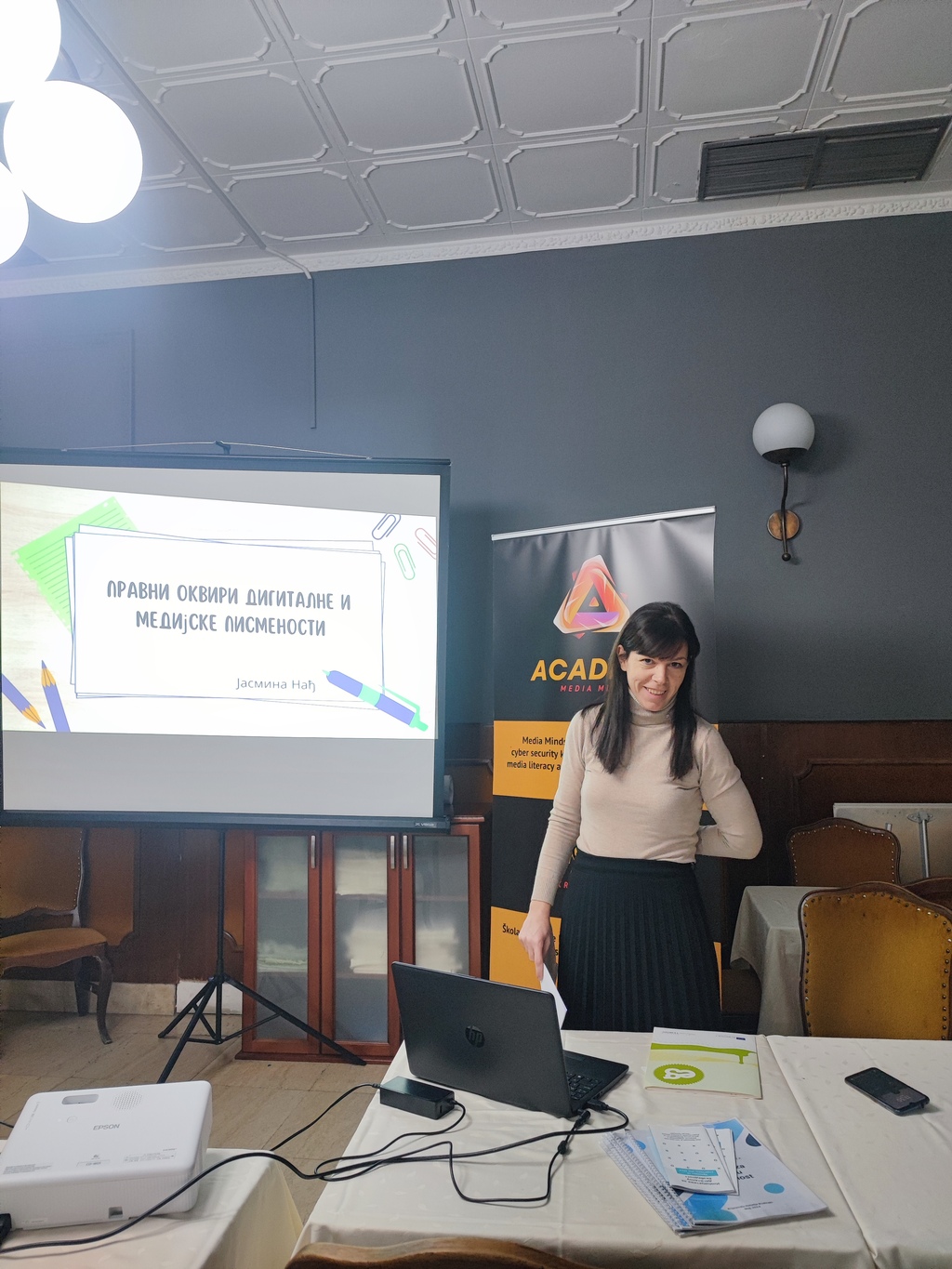
Where experts from the area give talks about digital and media literacy in the artificial intelligence era, ethical aspects of the use of artificial intelligence, legal frame of media and digital literacy. We also had a panel discussion where we discussed today’s connections and attitude towards media and youth. To this panel we invited professional journalists who elaborated this topic with the present teachers.
The agenda of the event was following:
Friday 6th December, 2024.
15-15.30 Registration
15.30-16 Event opening by Natalija Budinski
16-16.45 Digital and media literacy in the artificial intelligence era by Natalija Budinski
16.45-17.30 Ethical aspects of artificial intelligence by Daliborka Vukasović
17.30-18 Coffee break
18-19 Panel discussion ”Media and youth”. Guests are Sanja Marković, Ivana Čordaš and
20h Networking dinner
Saturday 7th December, 2024
9-11 Digital safety workshop by Natalija Budinski and Valentina Ruskovski
11-11.30 Break
11.30-12.45 Legal framework of media and digital literacy by Jasmina Nađ
12.15-13. Media mosaic workshop by Natalija Budinski
13-14. Lunch
14-16. Educational materials workshop
16-16.30. Certificate ceremony

EDUCATIONAL VIDEOS
As part of the Media Minds Academy project, we produced a series of ten educational videos aimed to educate young people, but also everyone who is interested how to behave safely and responsibly in media and digital world. To make the content more engaging and relatable, the videos were presented in the form of short news segments, simulating real media broadcasts. This approach allowed students to experience the structure and style of news while learning essential lessons about digital safety, creating a sense of authenticity and excitement.
Each video focused on a specific topic, such as identifying fake news, protecting personal information, avoiding online risks, respectful communication on social media, and understanding the consequences of sharing content. The news format combined animated explanations, on-screen examples, and mock interviews or reports to illustrate real-life situations children might encounter online. By framing the lessons as news, the videos encouraged students to critically evaluate information, understand how media messages are constructed, and apply these insights to their own online behavior.
These videos were designed to be short and easily digestible, suitable for classroom use, home learning, or integration into broader educational activities. Teachers and parents could use them as discussion starters, practical guides, or interactive exercises to reinforce responsible online behavior. By combining the educational content with a dynamic, news-style presentation, the project not only enhanced children’s digital literacy but also familiarized them with media formats, encouraging critical thinking and responsible engagement in the online world.
List of topics
1. Spin
Spin refers to the deliberate shaping and presentation of information in a way that favors a particular perspective or interest, which can mislead the audience. In the digital world, where information spreads rapidly through social media and online platforms, recognizing spin becomes a crucial skill. Media literacy helps users critically analyze content, identify bias, and distinguish facts from manipulation. Understanding spin also contributes to digital safety, as it reduces the risk of spreading misinformation and manipulative campaigns. Education on this topic enables users to use digital channels responsibly and make informed decisions in everyday life.
2. Identity theft
Identity theft in the digital world represents a serious threat, as attackers can use someone else’s personal information for financial or legal harm. It often occurs through fake emails, phishing messages, or hacked accounts, highlighting the importance of being cautious online. Understanding how to recognize suspicious activity and protect one’s information is a key step toward digital safety. Using strong passwords, two-factor authentication, and regularly monitoring accounts reduces the risk of identity theft. Education and awareness of this threat help users behave responsibly in the digital space and safeguard their personal data.
3. Amber alert
The Amber Alert system in Serbia represents a fast and effective way to notify the public about missing children, allowing the community to immediately get involved in the search. These alerts are sent via SMS messages, social media, and various media channels, which requires a certain level of digital literacy from citizens to properly understand and act on the information. Knowing how to receive and use these messages is crucial for responsible and safe behavior in the digital space. Digital literacy also helps users recognize official alerts and distinguish them from false information or potential online scams. Education about the Amber Alert system and the proper use of digital channels contributes not only to the protection of children but also to raising awareness about safe and responsible technology use in everyday life.We have organized two days training for 20 educators from rural areas. The training was held in Hotel “Vojvodina” in the Novi Sad in city center. We organized accommodation and transportation for teachers.
4. Copyrights
n the digital world, copyright plays a key role in protecting creative work and intellectual property. Using someone else’s content without permission can lead to legal issues and damage a user’s reputation. Understanding the rules for sharing, copying, and downloading materials helps young people use the internet responsibly. Digital safety also includes respecting copyright, as improper handling of content can open the door to cyberattacks and data misuse. Education about copyright and digital usage rules teaches users how to create, share, and use digital content safely and ethically.
5. Cryptocurrency
Cryptocurrencies have become an increasingly popular form of digital money used for payments and investments, but they also carry certain digital security risks. Due to their decentralized nature, transactions are irreversible, which makes protecting digital wallets and private keys crucial. Hacking of platforms and phishing attacks pose serious threats to users, so it is important to use secure and verified platforms. Using strong passwords, two-factor authentication, and reliable digital wallets can significantly reduce the risk of losing funds. Education on the proper use of cryptocurrencies and awareness of potential threats helps users manage their digital assets safely and responsibly.
6. Online shopping
Online shopping has become a part of everyday life and offers many conveniences, but it also carries certain risks for digital safety. When using the internet for purchases, it is important to choose reliable and secure platforms that protect our personal and financial information. Poorly protected websites can become targets for hackers, who may try to access users’ card details or passwords. Using strong passwords, two-factor authentication, and up-to-date antivirus software helps significantly reduce these risks. Educating users about safe online shopping practices is essential to ensure that the experience is not only convenient but also safe and responsible.
7. Artificial intelligence
In today’s digital world, artificial intelligence is increasingly shaping the way we consume and interact with media. AI algorithms can filter content, highlight trending news, and even help detect misinformation, creating opportunities for safer and more informed online experiences. At the same time, AI can be used to manipulate media, produce deepfakes, or spread false information, making it essential for users to develop strong media literacy skills. By understanding how AI systems work, individuals can critically assess automated content recommendations, recognize potential biases, and make thoughtful decisions about the information they trust. Educating young people about AI not only enhances their digital safety but also empowers them to navigate the online world responsibly and confidently.
8. Antivirus
In the digital world, where we use computers and mobile devices every day, antivirus programs play a crucial role in protecting our data and devices. They not only detect and remove viruses and malware, but also protect us from potential identity theft, compromised passwords, and the loss of personal information. Regularly updating antivirus software ensures that we are protected against the latest threats emerging on the internet. Modern antivirus programs often include additional features such as firewalls, protection against phishing attacks, and monitoring of suspicious activities, making our digital world safer. Installing antivirus software on devices used for work, learning, or entertainment reduces the risk of data compromise and facilitates safe internet use. Beyond technical protection, educating users on how to properly use antivirus software and recognize potential threats is equally important. Without antivirus protection, our devices would be far more vulnerable to hacker attacks and malicious software. Using antivirus software becomes part of everyday digital habits and forms the foundation for a safer online experience. In this way, the combination of technical protection and awareness of digital security helps users overcome fears of cyber threats and use technology responsibly.
9. Online bet
Online betting is becoming increasingly prevalent in the digital world, and young users are a particularly vulnerable group. Easily accessible platforms and aggressive advertisements can attract students and teenagers, often without awareness of the potential consequences. This can lead to financial problems, the development of addiction, and loss of control over one’s behavior. It is often overlooked that not all platforms are legal or safe, so users can be exposed to scams and false offers. Education on digital safety and critical thinking plays a key role in helping young people recognize the risks of online betting and learn to make responsible decisions in the digital space.
10. Distance learning
Distance learning today represents a significant part of education, allowing students to follow lessons from their homes, regardless of their geographical distance from school. However, with this flexibility comes the responsibility to use digital tools in a safe and thoughtful way. Through this type of learning, digital safety becomes an integral part of the educational process, helping students develop awareness of their rights and responsibilities in the digital world, as well as acquire skills they will use throughout their lives.
WORSHOP
At the end of the project, we organized a comprehensive workshop for both parents and students with the goal of presenting the project’s outcomes and strengthening their ability to respond to challenges in the online environment. The workshop served as an interactive platform where participants could learn practical strategies for safe internet use, responsible media consumption, and recognizing potential cyber security threats. Through discussions, real-life examples, and hands-on activities, attendees were introduced to tools and methods that support digital resilience and critical thinking. In addition, the workshop emphasized the importance of cooperation between parents and children in building a culture of safe and responsible digital behavior. By combining practical knowledge with awareness-raising, the event contributed to fostering a long-term, sustainable approach to media and digital literacy within the community.
