Media Mosaic
Media Mosaic empowers teens from rural and smaller, minority communities to create, critique, and publish media. From October–December 2024, participants (with a focus on girls and young women) completed media-literacy workshops, visited newsrooms, launched a youth-run website, and close with a public debate on media’s role in their communities. Project was supported by US Embassy in Belgrade, Serbia.
The aim of the project is to develop media skills and increase youth participation in the media space to foster diversity and mutual understanding.
Young people in rural/smaller areas face limited access to media education and opportunities, which leads to under-representation and weaker critical engagement with media. Media Mosaic addresses this gap by building practical skills and giving youth a public voice.
What we do
- 1. Workshops: Critical thinking, spotting misinformation, understanding bias, and responsible digital citizenship—delivered by experienced educators.
Workshop 1: How to make news?
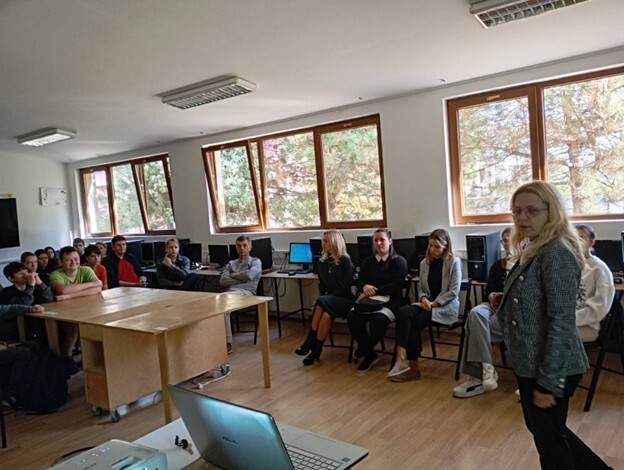
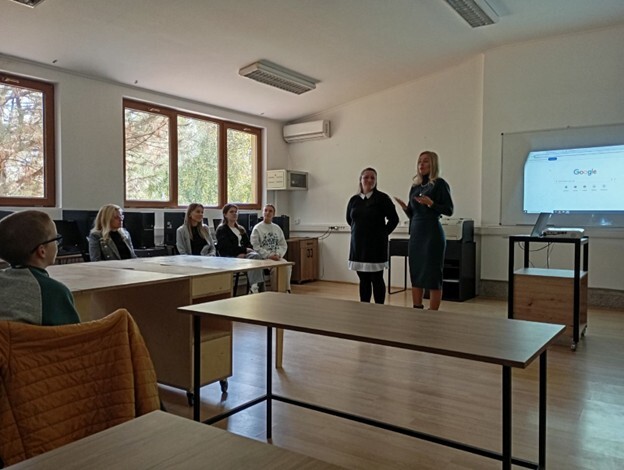
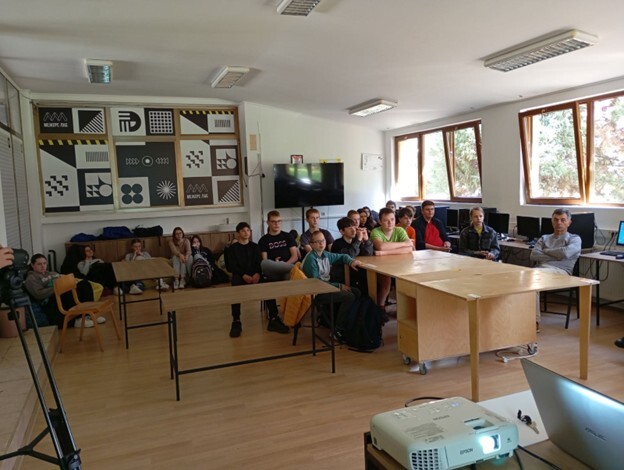
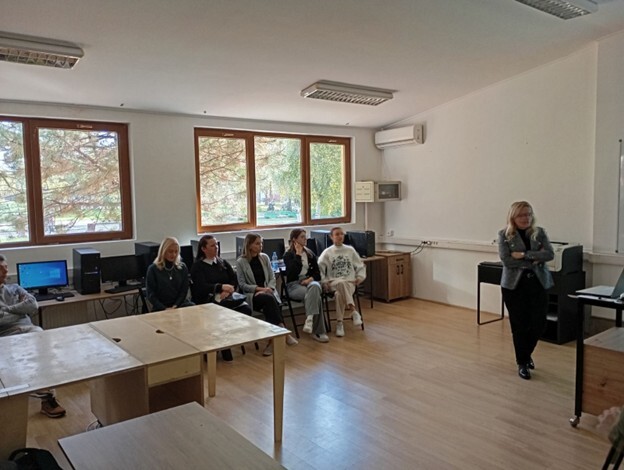
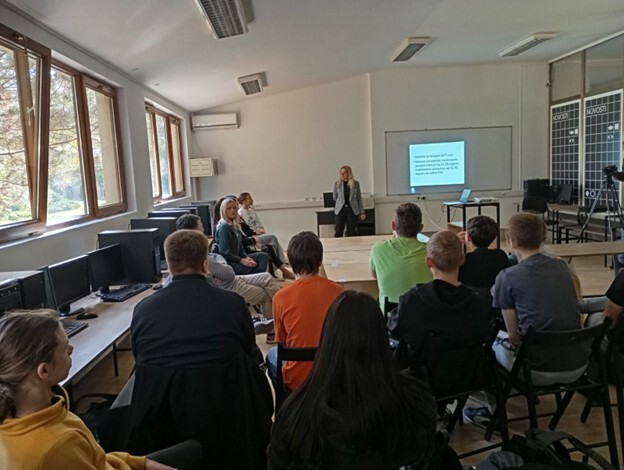
The first workshop in the series, titled “How to Make News?”, was held at Petro Kuzmjak School on 17th October, 2024. Twenty students (14-17 years old) actively participated in the workshop, where they explored the process of creating news from idea to publication.
The workshop began with a theoretical session in which students learned about the key principles of journalism. They discussed what makes an event “newsworthy” and analyzed the criteria such as relevance, timeliness, proximity, and public interest. A special focus was placed on the five essential questions of journalism—Who? What? Where? When? Why? and How? and how these questions form the backbone of every news story. Students were also introduced to the structure of a news article, including the inverted pyramid style, where the most important information comes first, followed by details and background. This part helped students understand how clarity, accuracy, and brevity is crucial in writing news.
During the workshop, the students had the opportunity to meet two guest speakers, professional journalists Sanja Divljaković and Sanja Marković from the National Radio Station. They shared insights into their daily routines, the challenges and rewards of working in the media, and personal stories about their career paths. They spoke about their first experiences in journalism, what motivated them to enter the profession, and how they eventually became program editors responsible for producing engaging content for listeners.
The final part of the workshop was hands-on practice. Students applied the knowledge they had gained by drafting short news items and creating material suitable for a radio show. They practiced transforming raw information into concise and informative news, learning how to adjust their writing and style for different audiences.
Workshop 2: Digital citizenship
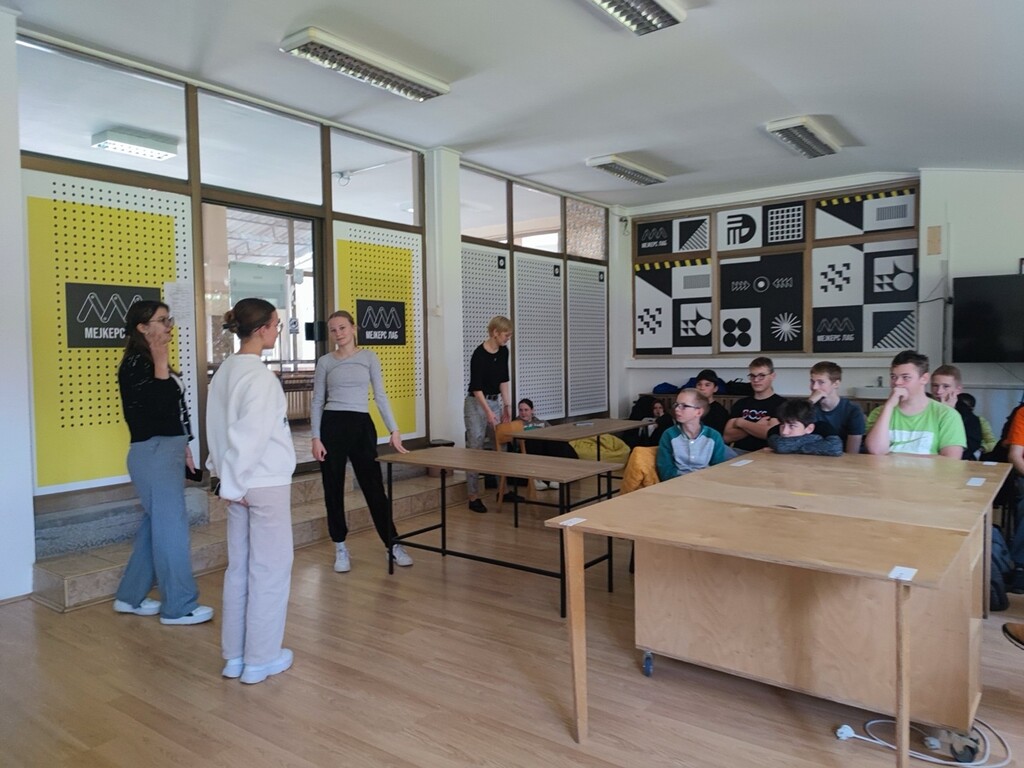
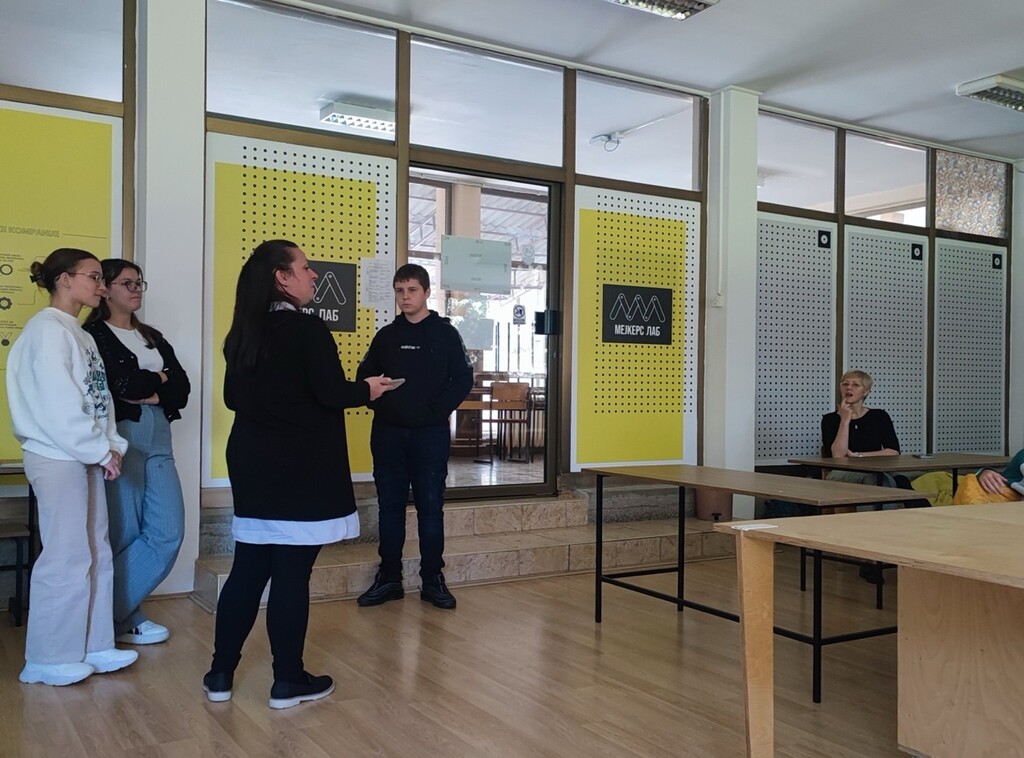
Second workshop in the project was held on 4th November 2024 in Petro Kuzmjak school to 15 students (17 years old). The topic of the workshop was “Digital citizenship” where students increased awareness of online safety and digital rights among students, developed practical guidelines on responsible digital citizenship and improved critical thinking and teamwork skills through group activities.
Workshop started with activity of identifying students’ own online habits and discussion about the relevance of digital citizenship in their daily lives. Key elements of digital citizenship that were presented, included: online safety and privacy, respectful online communication, understanding digital footprints, prevention of cyberbullying and hate speech, and critical assessment of online information and algorithms. We provided practical examples of online risks (phishing, misinformation, data misuse) and methods for protection. At the end students have quiz to check their knowledge about digital safety.
WORKSHOP 3: Media misinformation
The third workshop focused on media, media content, and media literacy. Its main objectives were to help participants understand what media literacy is, learn how media operate, and develop skills to become responsible content creators. We also explored topics such as the amount of time we spend using media, the types of media content available, and how we analyze, evaluate, and create media.
This workshop featured a special guest, Vanja Kahrimanović, a former journalist at the leading National Television RTS. She shared insights into the daily life of a professional journalist, drawing on her experience as a full-time reporter. Vanja presented real-life examples from her career, including encounters with politicians, celebrities, and other public figures. She also discussed the ethical responsibilities of journalists and how to create news stories with integrity and respect for those involved.
At the end of the workshop, students completed a practical task: they created news stories about interesting events and presented their work to the group.
About 25 (age 15-16 years old) took part in the workshop and it was held on 18th November, 2024 in Petro Kuzmjak school.
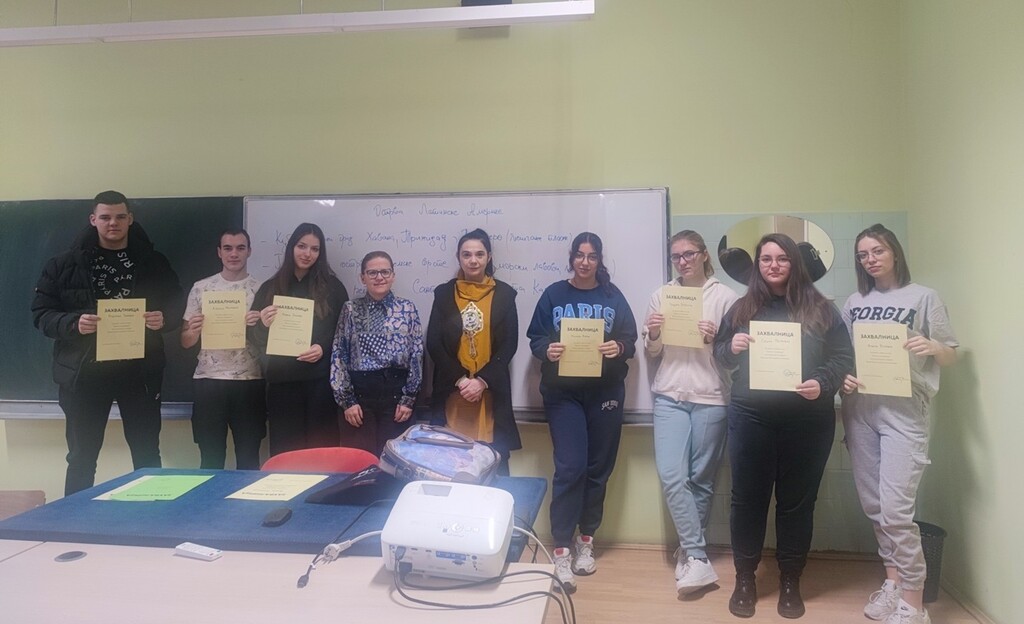
Средњошколци из Руског Крстура учествовали у радионици на тему ,,Медијска писменост“
WORKSHOP 4: Critical thinking- social media (Peer learning)
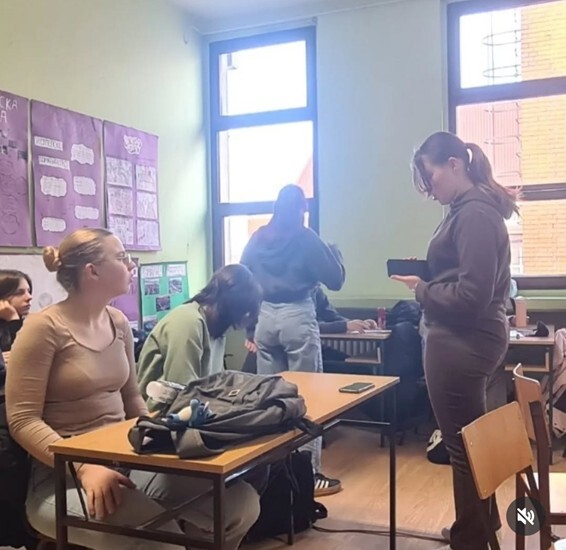
The fourth workshop in the series took place on 2nd December 2024 and was devoted to the theme of critical thinking and the responsible use of social media. The aim of this session was not only to reflect on the impact that social media platforms have on our everyday lives but also to encourage students to think more deeply about how they can use these tools in a safe, creative, and meaningful way.
During the workshop, participants engaged in a peer-to-peer learning activity in which students had the chance to teach each other how to create appropriate and responsible social media content. They worked in small groups, exchanged ideas, and discussed the characteristics of positive, informative, and ethical posts. Some of the key aspects included learning how to identify reliable sources, avoiding harmful stereotypes, protecting personal privacy, and recognizing the difference between constructive and harmful online behavior. This interactive approach gave students a sense of ownership and confidence, as they were not only learners but also active educators of their peers.
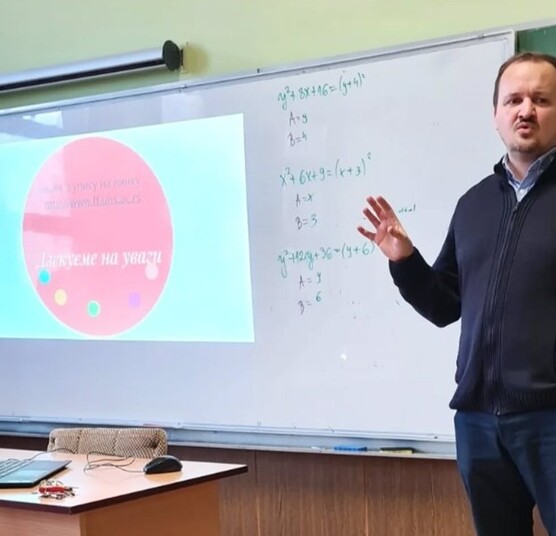
A highlight of the workshop was a guest lecture delivered by Professor Mudri from the University of Novi Sad. He gave a motivating and practical talk about the role of social media in modern communication, as well as the opportunities and challenges it creates for future professionals. Professor A. Mudri also introduced students to the process of enrolling in studies at the University of Novi Sad, explaining admission requirements, study programs, and career pathways. Special attention was given to the field of journalism, where he outlined how young people interested in media can develop their skills further and eventually build a professional career. His lecture provided valuable guidance and helped participants connect what they are learning now with potential opportunities for their future education and professional life.
The workshop gathered around 15 students, aged between 15 and 16, who actively contributed to all activities. The atmosphere was dynamic and engaging, students asked many questions, shared personal experiences about their use of social media, and reflected on both the positive and negative aspects of being online. Many of them expressed that they had never thought so deeply about the responsibility that comes with creating and sharing content.
In conclusion, the session successfully combined practical exercises, peer learning, and expert guidance. By the end of the workshop, students not only understood the importance of critical thinking in the digital world but also gained concrete skills in producing content that is respectful, responsible, and meaningful. This experience strengthened their ability to navigate the online environment with greater awareness and prepared them to act as informed and thoughtful digital citizens.
Field visits: Inside looks at media outlets and local government to see how information is created and shared.
VISIT TO RADIO TELEVISION VOJVODINA
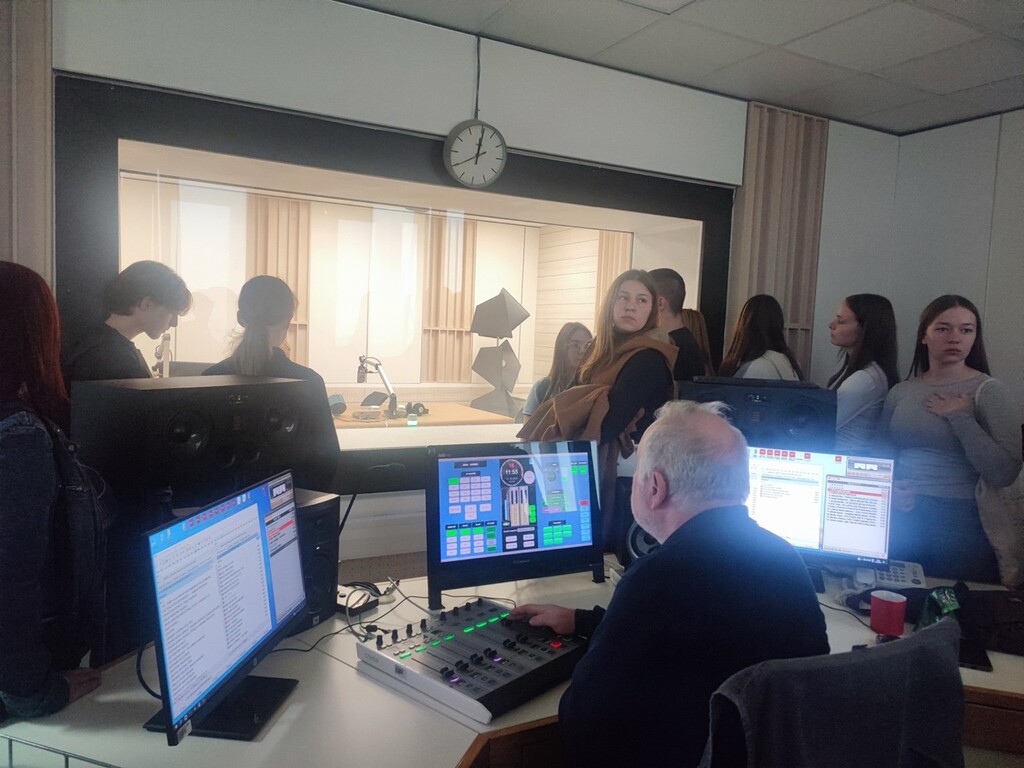
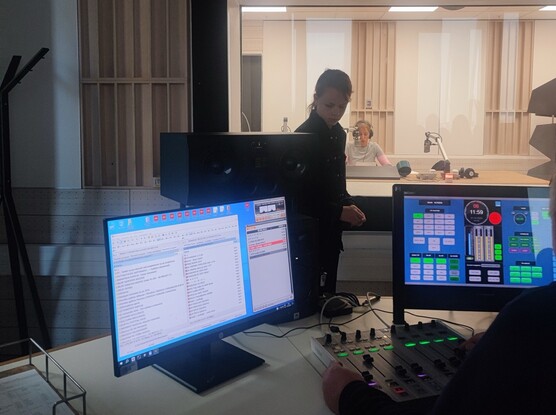
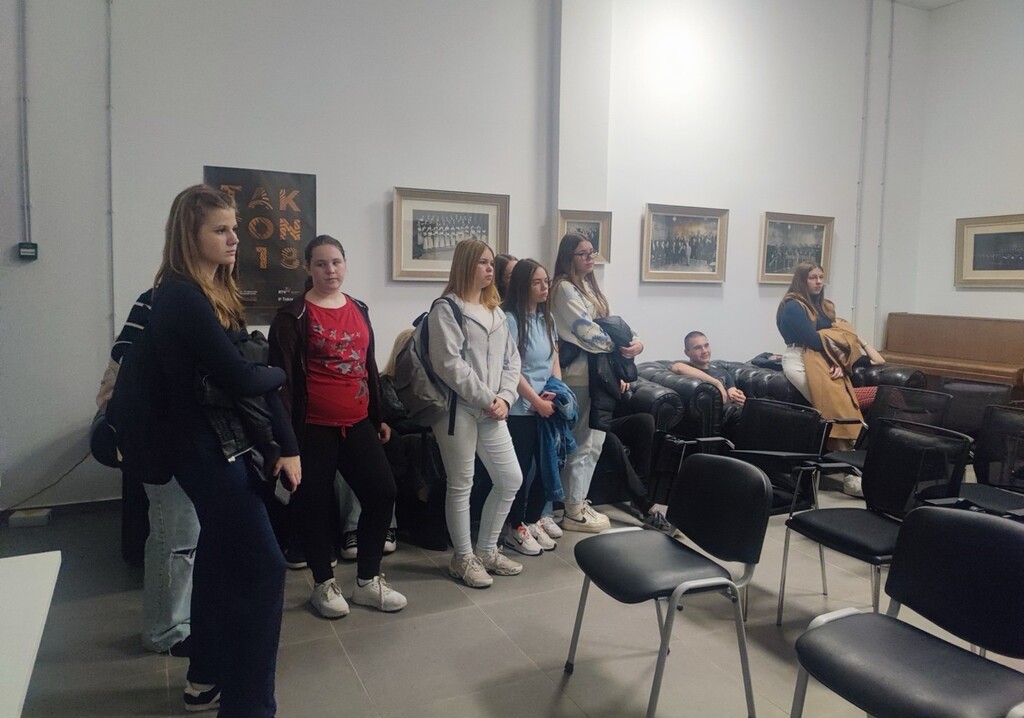
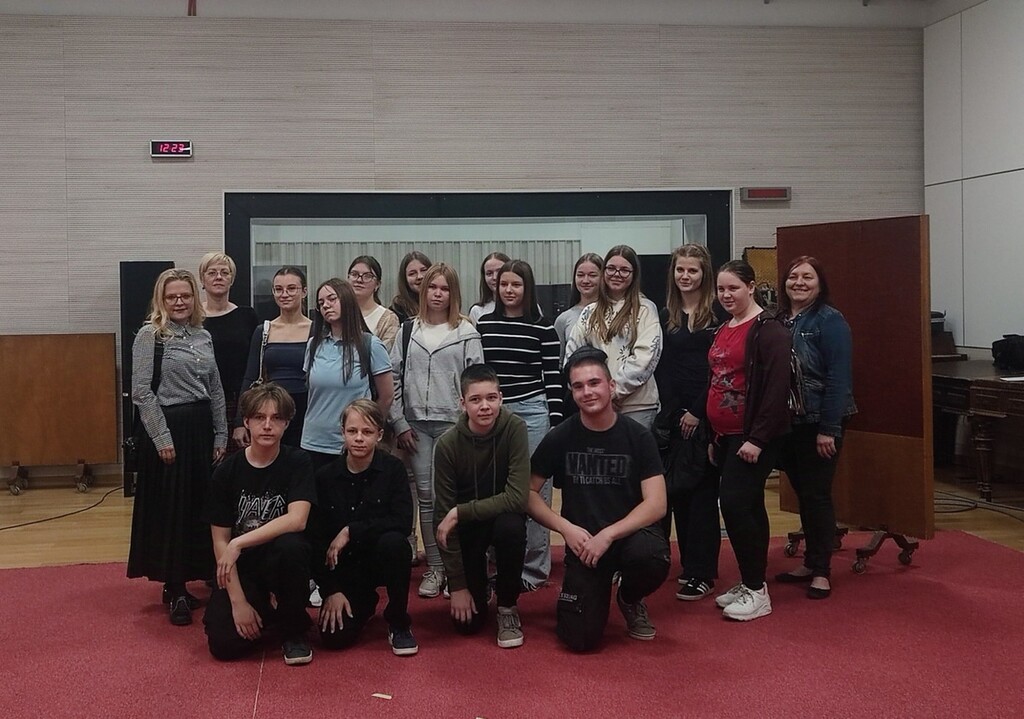
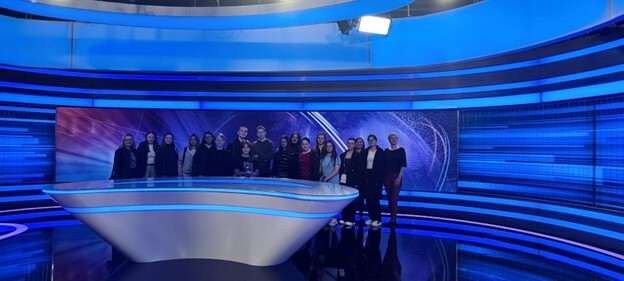
The students from Kuzmjak School had the opportunity to visit Radio Televison Vojvodina on 31st October 2024.
The visit provided students with a rare behind-the-scenes look at how a professional media house operates. They were guided through the entire process of program creation, starting from the initial brainstorming of an idea, all the way to its realization on screen. Through direct observation, they gained a deeper understanding of the complexity of media production, which involves teamwork, creativity, technical expertise, and strong communication skills.
Students had the chance to explore different stages of production. They observed how news and entertainment programs are recorded and edited, learning more about the use of cameras, lighting, sound equipment, and editing software. They discovered how each technical detail contributes to the overall quality of a show and how important coordination is among directors, producers, camera operators, and editors to create a polished final product.
Another part of the visit focused on the role of journalists and reporters. The students were introduced to the daily routine of media professionals, how they prepare for interviews, conduct research, verify information, and structure their reports in a clear and engaging way. Special emphasis was placed on the ethical responsibilities of journalists: ensuring accuracy, respecting privacy, and avoiding misinformation. Students were able to ask questions directly and receive answers from professionals with years of experience, which made the learning experience even more dynamic and inspiring.
The visit also helped students understand how much effort, coordination, and responsibility stand behind every television program that reaches viewers. What may seem to the audience as a smooth and effortless broadcast is, in fact, the result of hours of preparation, teamwork, and professional dedication. For many students, this was the first time they realized the depth of work that goes into media creation, and several of them expressed interest in possibly pursuing careers in this field in the future.
Overall, this educational visit successfully combined learning and inspiration. It showed students not only how media content is made but also why media literacy, the ability to critically understand and evaluate media messages—is such an essential skill today. Through projects like Media Mosaic, young people are encouraged to think more deeply about the media they consume, to recognize the importance of responsible communication, and to see themselves as potential creators who can contribute to shaping a more informed and ethical media landscape.
About Radio Television Vojvodina
Radio Television Vojvodina, better known as RTV, is one of the most important media institutions in Serbia today. Based in Novi Sad, it serves as the public broadcaster for the entire province of Vojvodina. What makes RTV truly special is its unique mission: it produces and broadcasts programs in more than ten different languages, reflecting the cultural richness and diversity of the region. This multilingual approach ensures that all communities in Vojvodina can hear their own voices represented in the media.
In recent years, RTV has worked hard to modernize its production and bring its content closer to contemporary audiences. The broadcaster now operates multiple radio and television channels, as well as online platforms, offering news, culture, education, sports, music, and entertainment. RTV has also embraced digital transformation, streaming its programs online and engaging with younger audiences through social media. By combining tradition with innovation, RTV continues to remain relevant in an era when media consumption habits are rapidly changing.
Another strength of RTV lies in its commitment to professional journalism and media literacy. Its newsrooms focus on delivering accurate and independent information, while at the same time paying attention to ethical standards in reporting. Programs are created not just to inform, but also to educate and inspire dialogue across different groups in society. RTV also produces shows that highlight contemporary social issues, the creativity of young people, and the cultural life of the region.
Through collaborations with European broadcasters and international projects, RTV is expanding its reach and improving the quality of its work. The institution continues to invest in modern equipment, creative formats, and new talent, making sure its content meets the expectations of today’s viewers and listeners.
More than just a broadcaster, RTV has become a platform for connection and dialogue, a space where tradition meets innovation, and where the voices of different generations and communities come together. In this way, Radio Television Vojvodina continues to play a vital role in shaping an informed, inclusive, and forward-looking society.
Школяре школи "Петро Кузмяк" нащивели Радио-телевизию Войводини
Deca iz škole "Petro Kuzmjak" iz Ruskog Krstura posetila Radio-televiziju Vojvodine
VISIT TO RADIO BELGRADE
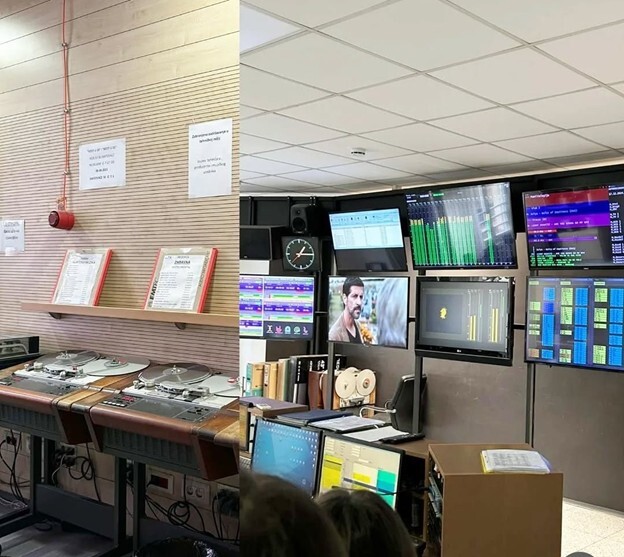
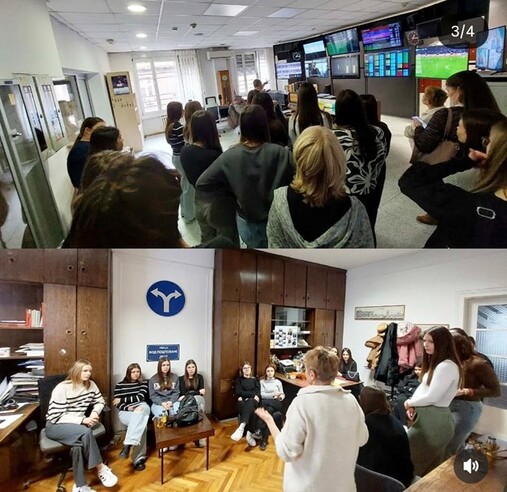
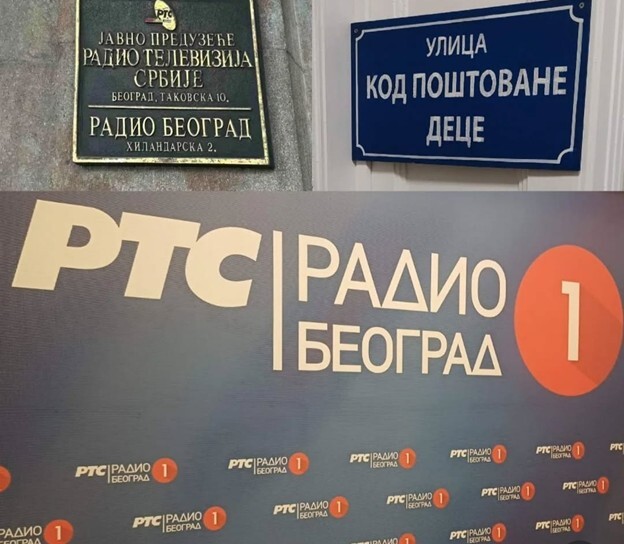
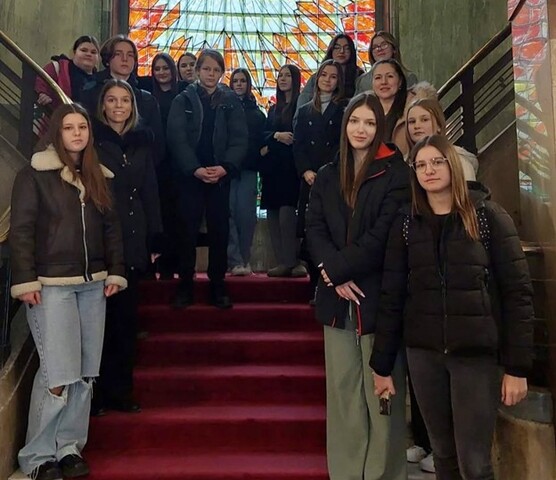
The second field visit of the project led students to Belgrade, where they had the unique opportunity to step inside the studios of Radio Belgrade, one of the oldest and most respected broadcasters in the region. The visit took place on 17th December 2024 and brought together a group of students aged between 14 and 18, all eager to experience firsthand how radio programs come to life.
As they walked through the halls of the station, the students were introduced to the history and legacy of Radio Belgrade, learning how it has served generations of listeners with both news and entertainment. They were guided into different production spaces, where journalists and editors explained the process of shaping a program from developing an idea and researching a topic, to writing scripts and presenting content on air.
The students also observed the work of technical teams, who demonstrated how sound engineering, editing, and studio management are essential to creating a seamless broadcast. It was eye-opening to see how many people and skills are required to produce the programs that audiences enjoy every day.
Throughout the visit, the students were encouraged to ask questions, and many of them were curious about how journalists prepare for their tasks and how decisions are made about what will be broadcast. The atmosphere was both educational and inspiring, giving the participants a new appreciation for the effort and teamwork behind each radio show.
By the end of the day, the young visitors left with a clearer understanding of what media production really involves. The trip not only deepened their knowledge of journalism and broadcasting but also sparked interest in future careers within the media sector. For many of them, it was the first time they could connect what they hear on the radio to the creative and technical processes happening behind the scenes.
About Radio Belgrade
Radio Belgrade is one of the oldest and most respected media institutions in Serbia, carrying with it a tradition that spans almost a full century. Founded in 1924, it has grown from a pioneering broadcaster into a modern media house that still plays a central role in the country’s cultural and social life. Today, Radio Belgrade continues to uphold its heritage while at the same time responding to the challenges and opportunities of the digital era.
The station operates several channels, each with a distinctive profile and audience. Radio Belgrade 1 focuses on news, current affairs, and informative content; Radio Belgrade 2 is dedicated to culture, art, and in-depth discussions; Radio Belgrade 3 offers programs in classical music, science, and philosophy; while Radio Belgrade 202 caters to younger generations with popular music, sports, and entertainment. This diversity allows Radio Belgrade to address a wide range of listeners with different interests, backgrounds, and ages.
In recent years, Radio Belgrade has placed special emphasis on digital transformation. Many of its programs are now available online, allowing listeners in Serbia and around the world to tune in through streaming services, podcasts, and mobile applications. By combining traditional radio broadcasting with modern digital platforms, Radio Belgrade has managed to maintain its relevance and reach new audiences who consume media in different ways.
What sets Radio Belgrade apart is its commitment to high-quality content. Its programs are known for in-depth reporting, thoughtful analysis, and cultural richness. The station regularly features interviews with leading intellectuals, artists, and scientists, and it has long been recognized as a guardian of the Serbian language, literature, and cultural heritage. At the same time, it continues to encourage open dialogue about contemporary issues, giving space to new voices and perspectives.
As a public broadcaster, Radio Belgrade also carries a strong educational mission. Through documentaries, debates, and special projects, it promotes media literacy, critical thinking, and lifelong learning. Its role is not just to entertain but to inform and inspire citizens to reflect on the society they live in.
Today, Radio Belgrade is much more than a traditional radio station—it is a platform where heritage meets innovation. By blending its long tradition with fresh formats and digital tools, it remains a vital part of Serbia’s media landscape and continues to serve as a cultural bridge between generations, communities, and even nations.
YOUTH WEBSITE
Website with the creative materials gathered during the project that can be useful for activities about media literacy work with young students.
https://media-mosaic.rustem.rs/
YOUTH WEBSITE
The project came to an inspiring close with a final event in the form of a debate, where students had the chance to put into practice everything they had learned throughout the workshops and visits. The debate gathered young participants from Petro Kuzmjak school, creating a lively and diverse atmosphere filled with ideas, reflections, and questions.
The main theme of the discussion was the impact of media on young people and the ways youth are represented across different platforms. Students reflected on their own experiences as media consumers and content creators, drawing examples from television, online platforms, and social media. They spoke openly about both the positive influence of media such as access to information, education, and creative expression and the negative sides, including misinformation, harmful trends, and pressure to conform to unrealistic standards.
A particularly engaging part of the debate was the conversation about how young people are portrayed in the media. Some students argued that youth are often stereotyped or underrepresented, while others highlighted examples of inspiring young voices who are successfully using media to advocate for social change. These contrasting perspectives made the debate dynamic and thought-provoking.
The format encouraged students not only to express their opinions but also to listen carefully to each other and respond with respect. Teachers and mentors were present to guide the process, but the stage truly belonged to the students, who demonstrated critical thinking, strong argumentation skills, and a willingness to engage in constructive dialogue.
By the end of the event, it was clear that the debate had done more than just close the project—it had given participants a platform to see themselves as active and responsible media users with the potential to influence the world around them. The atmosphere was filled with energy, curiosity, and a sense of accomplishment, making the debate a memorable and fitting conclusion to the project.